

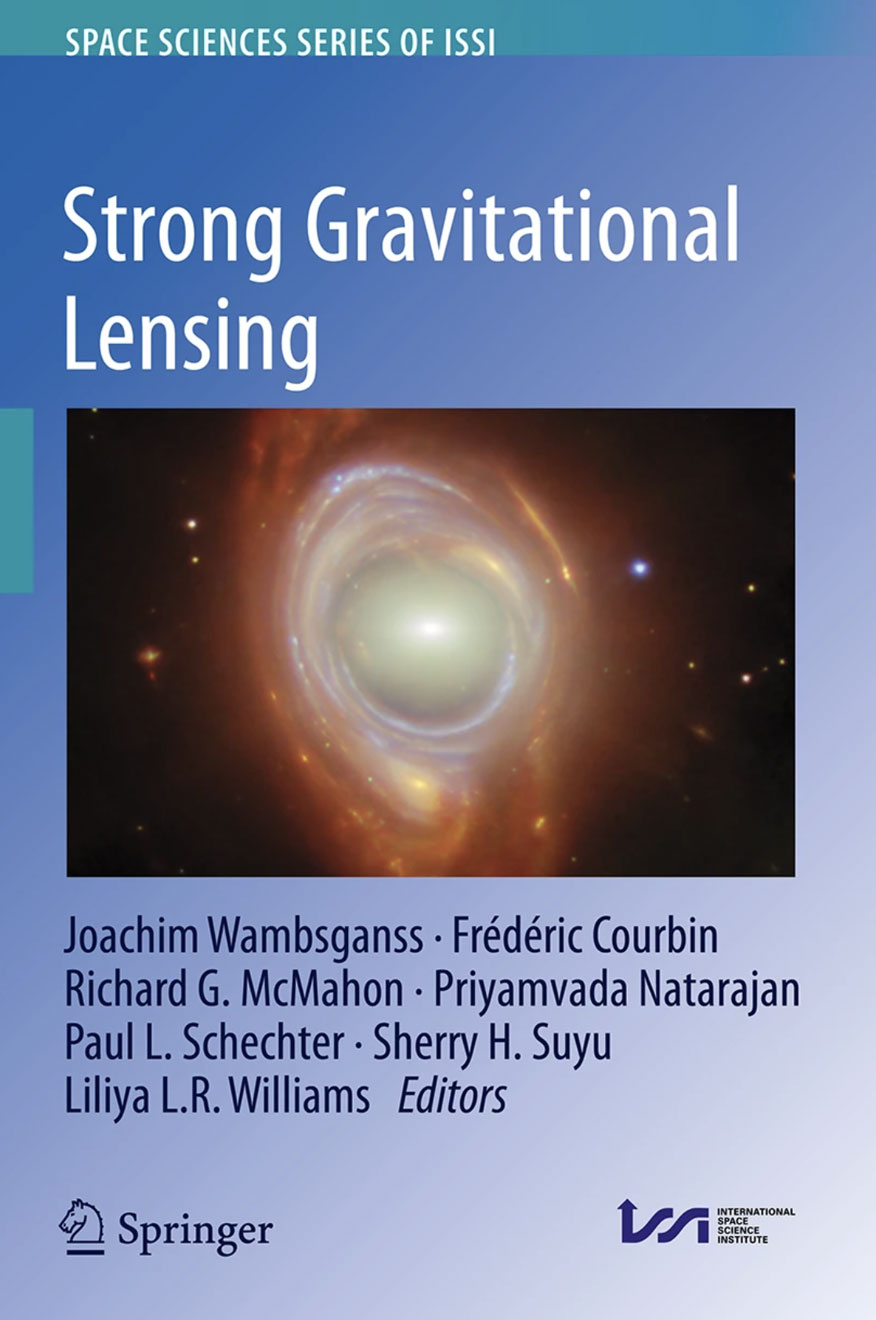
This volume contains up-to-date review articles - resulting from an ISSI Workshop - on all important aspects of strong gravitational lensing, written by the top experts in the field. The chapters cover themes like the search for strong lenses, lensing as a probe for dark matter, lensing and microlensing of supernovae, to name just a few. The reviews are framed by two complementary introductory articles on “Essentials” and “Basic Elements”, respectively, of strong gravitational lensing.
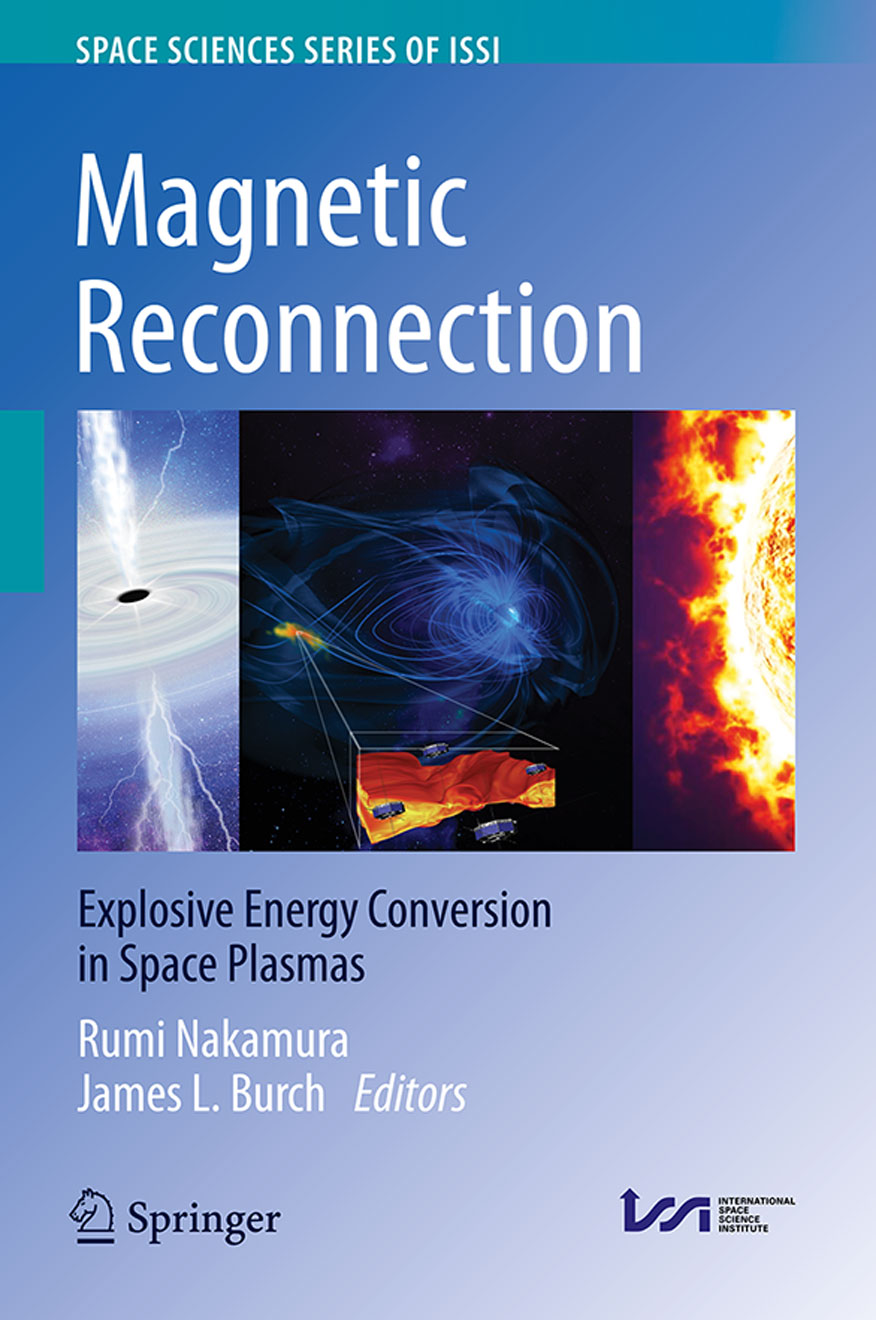
This volume presents results from the Workshop "Magnetic Reconnection: Explosive Energy Conversion in Space Plasmas", held 27 June–1 July 2022, which aims to review progress in research of magnetic reconnection and relevant processes in space plasma, based on recent in-situ multipoint observations and theoretical simulations, and to discuss its astrophysical context.
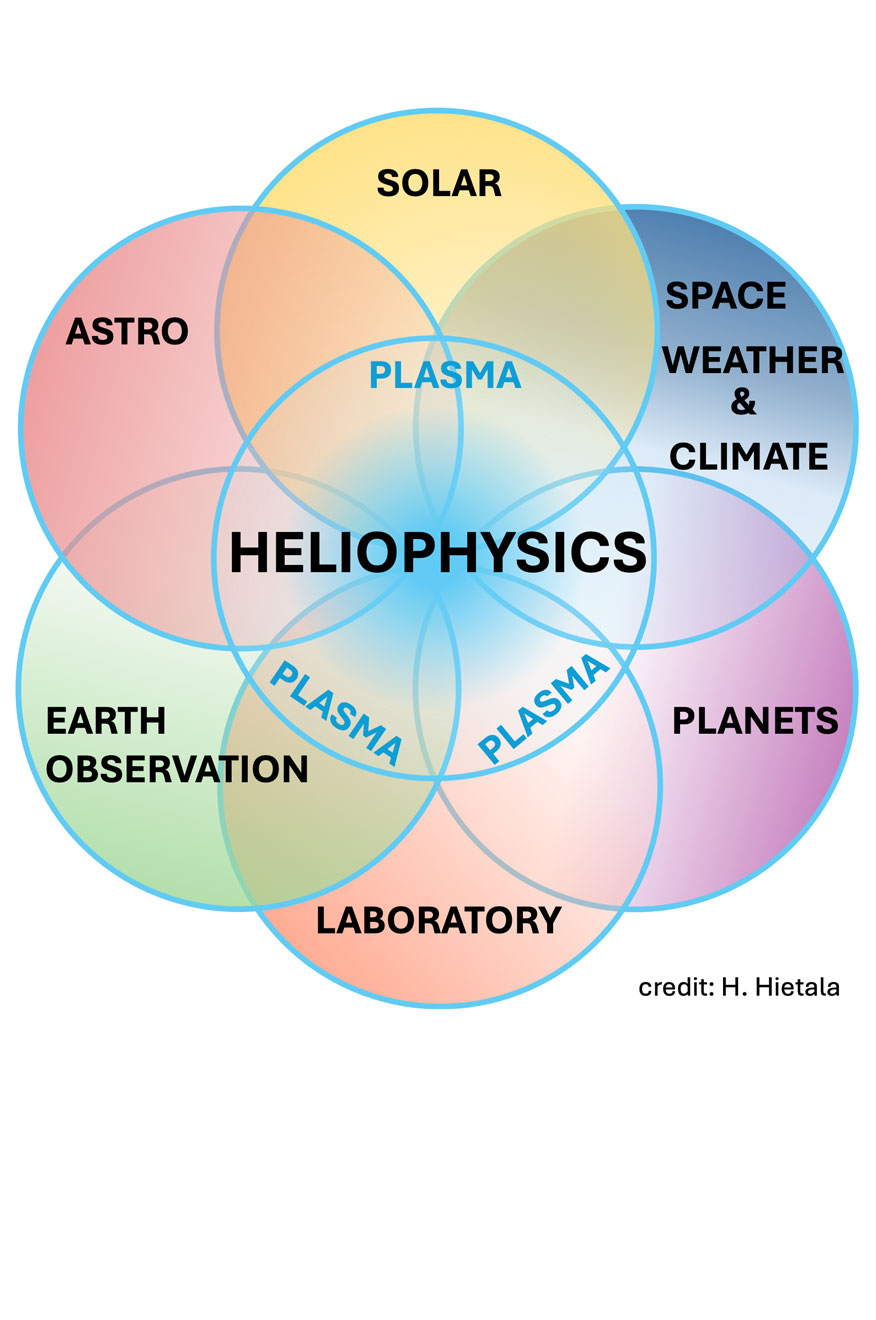
Europe hosts a large and highly active community of scientists working in the broad domain of Heliophysics. This broad discipline addresses plasmas in the regions of space and atmosphere influenced by the Sun and solar wind. However, this community has historically been fragmented, both geographically and thematically, which has limited the potential for strategic coordination, collaboration, and growth. This has recently prompted a grass-roots community-building effort to foster communication and interactions within the European Heliophysics Community (EHC). This white paper outlines the motivation, priorities, and initial steps towards establishing the EHC, and presents a vision for the future of Heliophysics in Europe. As a crucial first step of this endeavour, a dedicated EHC website is now available: https://www.heliophysics.eu/
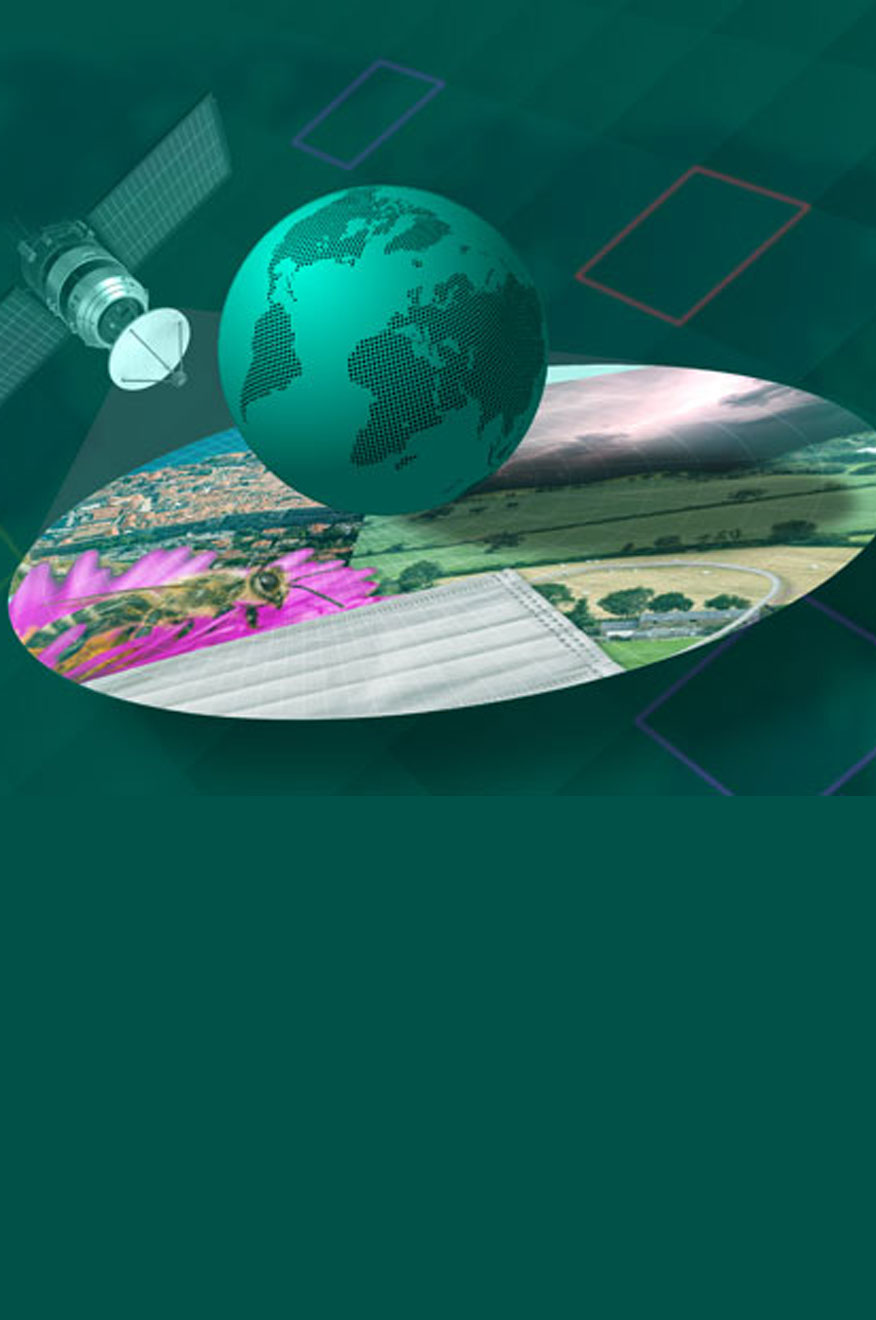
As climate change intensifies, adaptation is essential. This Perspective explores how space-based Earth Observation (EO) data can support tracking progress under the Paris Agreement's Global Goal on Adaptation. Focusing on agriculture, biodiversity, extreme events, and health, it highlights EO’s strengths and challenges. The paper offers recommendations for integrating EO in indicator development, drawing parallels with the Sustainable Development Goals and emphasising the need for standardised, operational EO-based adaptation indicators.
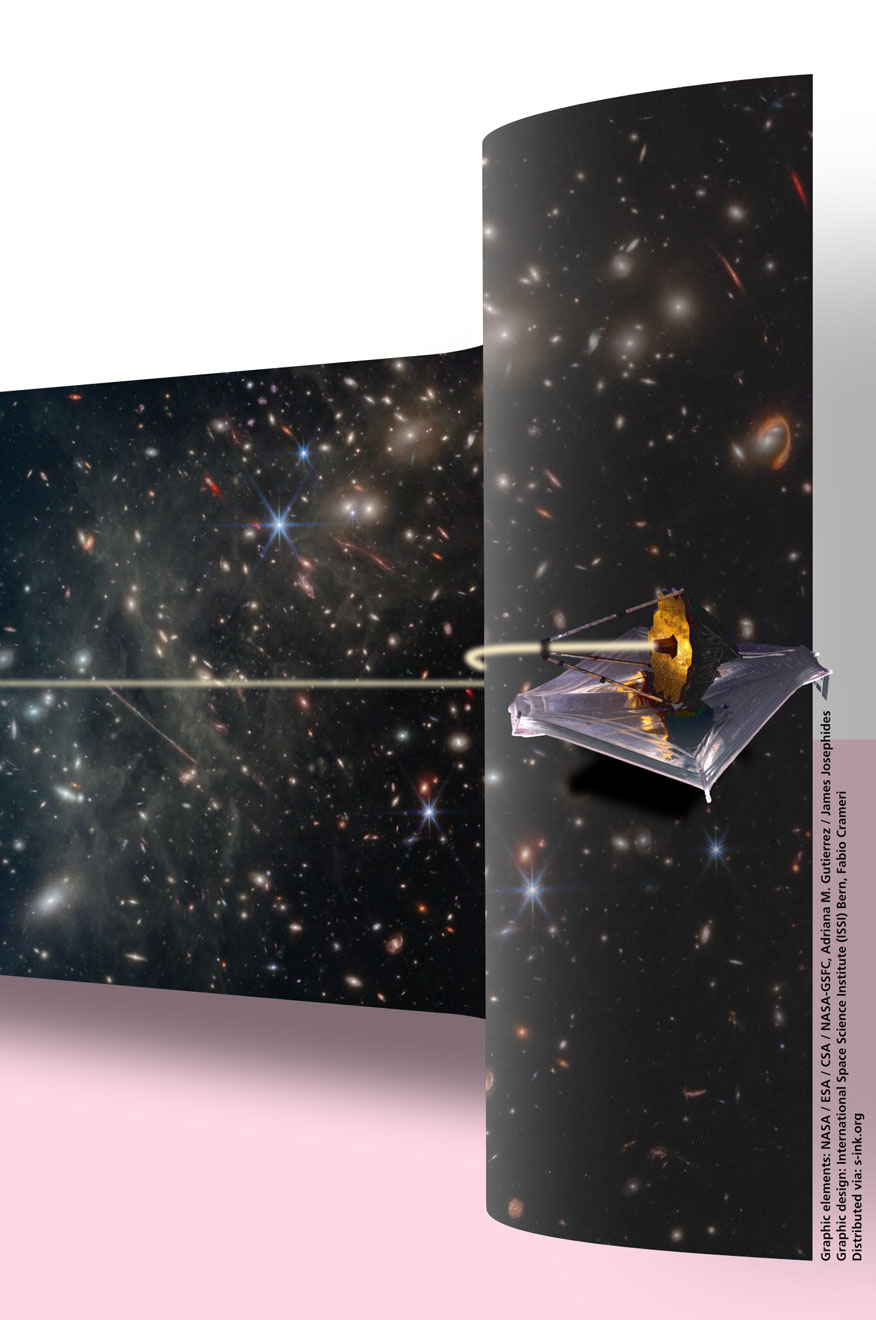
With stunning clarity, the JWST has revealed the Universe’s first billion years. The scientific community is analysing a wealth of JWST imaging and spectroscopic data from that era, and is in the process of rewriting the astronomy textbooks. Here, as a result of the 2024 ISSI Breakthrough Workshop, we provide a snapshot of the great progress made towards understanding the initial chapters of our cosmic history 1.5 years into the JWST science mission.
This is a critical moment in the history of Earth: humans are ending 3.5–3.8 billion years of relative isolation of the terrestrial biosphere from interaction with its cosmic environment1,2, and may now leave lasting physical, chemical, biological, and unforeseen impacts beyond Earth. Crewed missions, alongside technological advancements in the new space age — such as miniaturization and the use of artificial intelligence — accelerate this trend. Decisions with potentially far-reaching cosmic consequences are being made. Hence, there is an urgent need for action.
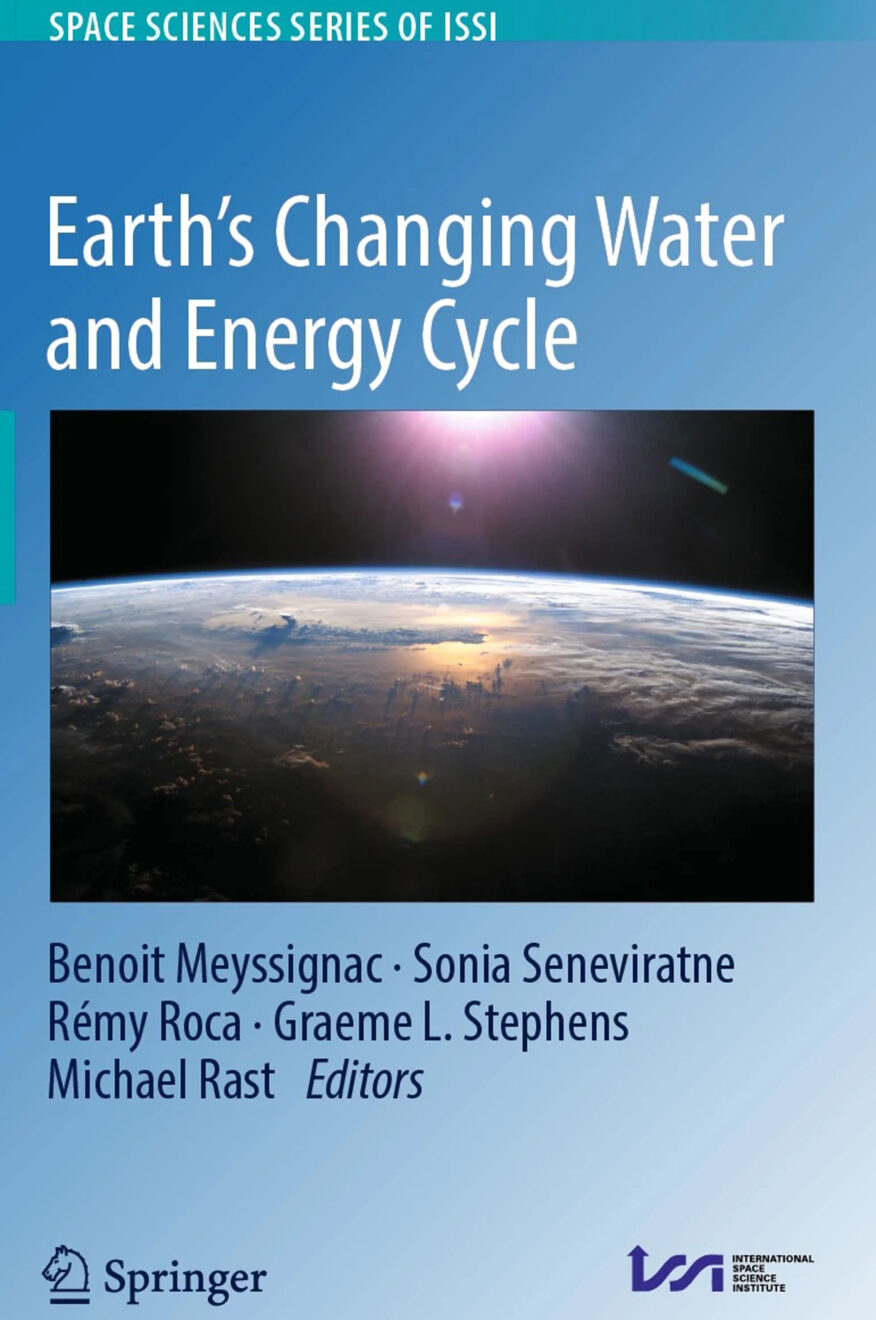
This volume offers a thorough exploration of the observation of Earth's water–energy cycle, a foundational aspect of climate science. It features a collection of up-to-date articles that provide insights into current estimates of the Earth’s water and energy fluxes, based on satellite observations, atmosphere–ocean reanalyses, and global coupled atmosphere–ocean model simulations.