




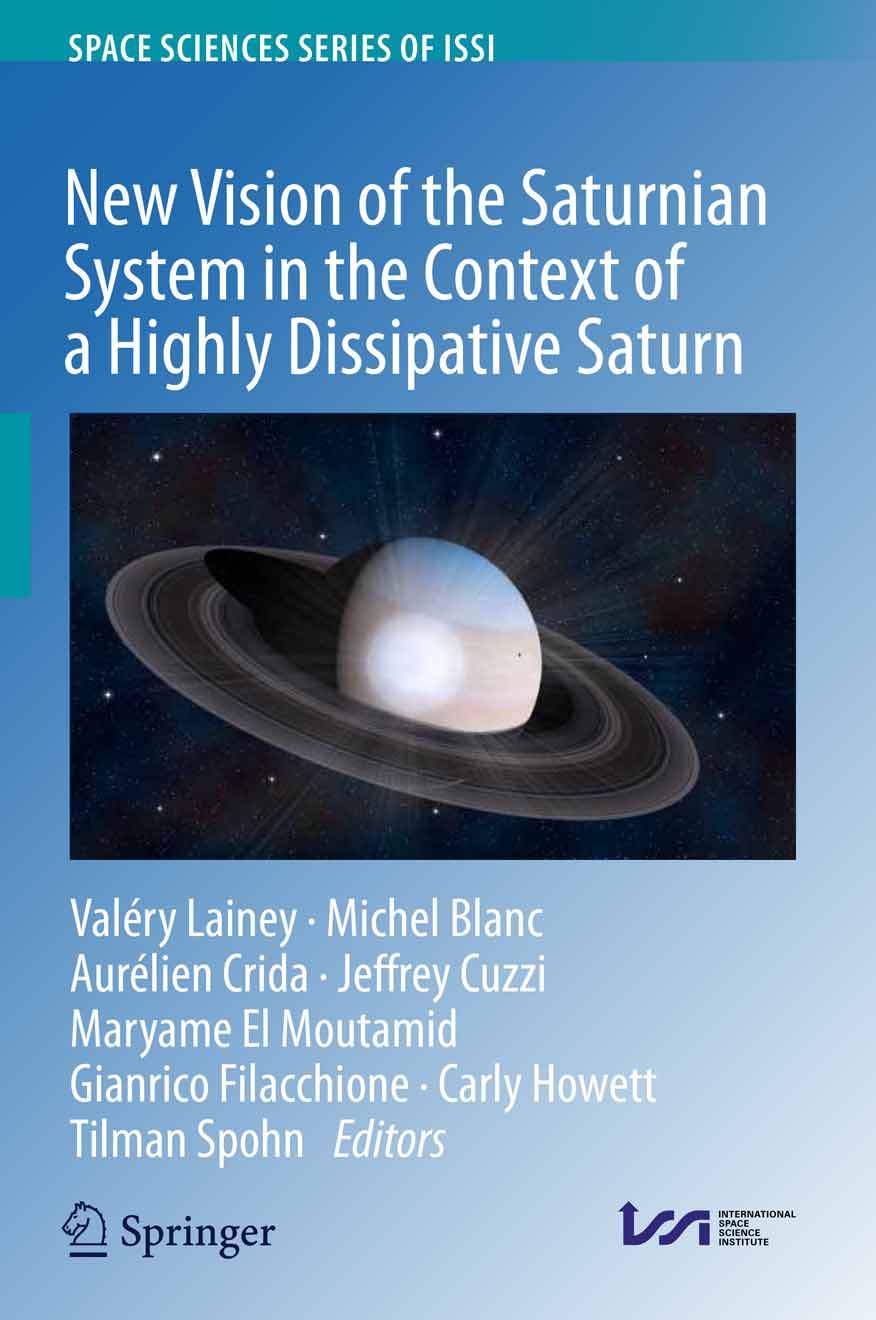
This volume collects a set of contributions that reflect the profound transformation in our understanding of Saturn and its system of rings and moons. Once considered a relatively stable and slowly evolving system, it is now recognized as highly dynamic, shaped by unexpectedly strong tidal dissipation within the planet. This has major implications for the orbital evolution of its satellites, suggesting rapid outward migration and challenging long-standing views on the age and origin of both moons and rings. Central to these advances is the wealth of data returned by the Cassini mission, whose long-term observations, combined with significant progress in theoretical modeling, have reshaped our picture of the coupled evolution of Saturn, its interior, its rings, and its satellites.
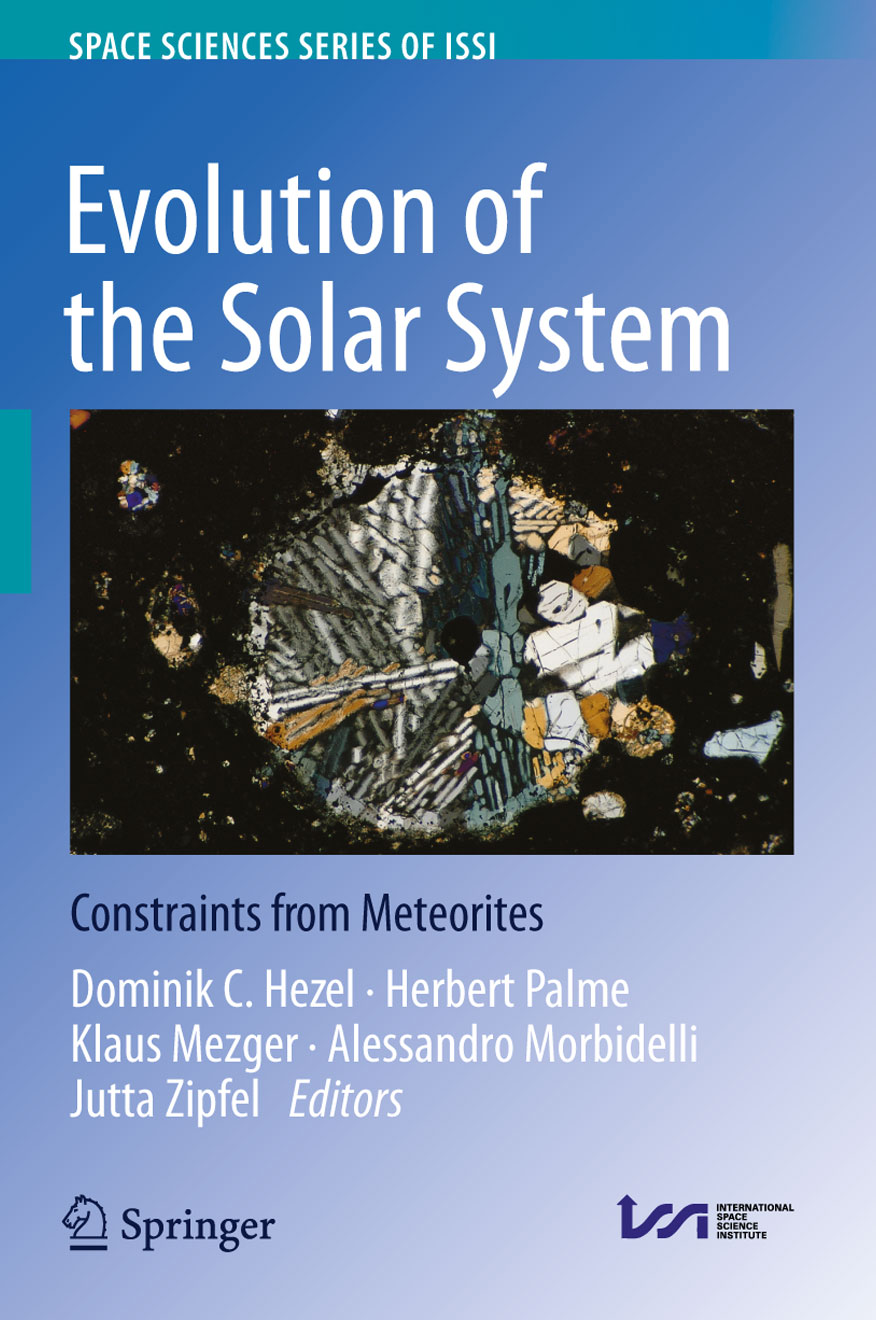
This essential collection provides a comprehensive overview of our current understanding of how planetary systems form, and in particular how our solar system formed. Our knowledge about solar system evolution is based on a broad foundation of chemical and isotope data from meteorites and their components such as Ca,Al-rich inclusions, chondrules, matrix, and presolar grains, as well as from astromaterials of sample return missions, and modelling accretion processes. The chapters in this volume present the latest data and modelling results from cosmochemistry and astrophysics, and discuss their implications for early solar system evolution from the earliest solids formed in the protoplanetary disk, all the way to accretion and differentiation of planetesimals and planet formation. The importance of past, current, and future space missions is highlighted in this context.
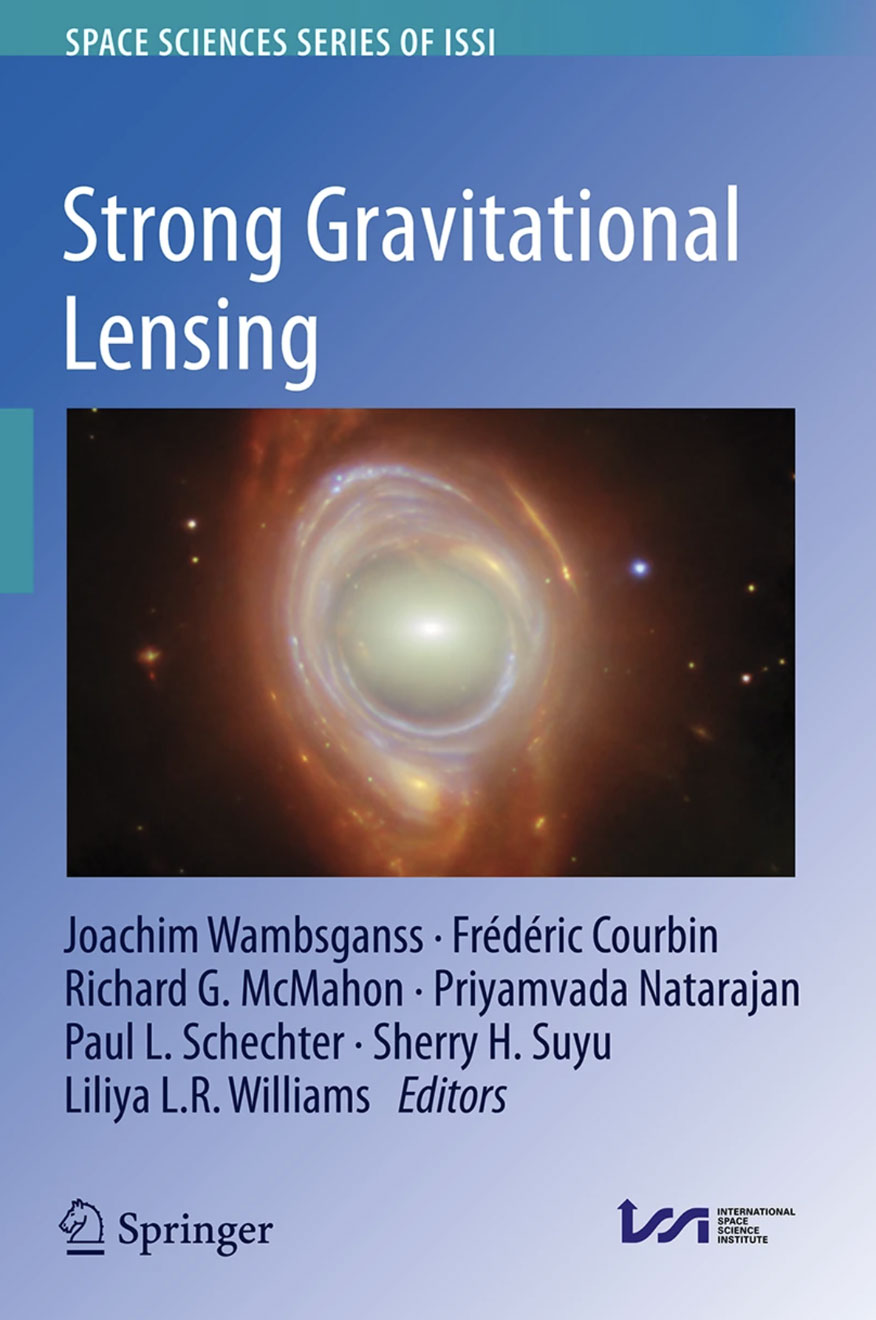
This volume contains up-to-date review articles on all important aspects of strong gravitational lensing, written by the top experts in the field. The chapters cover themes like the search for strong lenses, lensing as a probe for dark matter, lensing and microlensing of supernovae, to name just a few. The topical reviews are framed by two complementary introductory articles on “Essentials” and “Basic Elements”, respectively, of strong gravitational lensing.
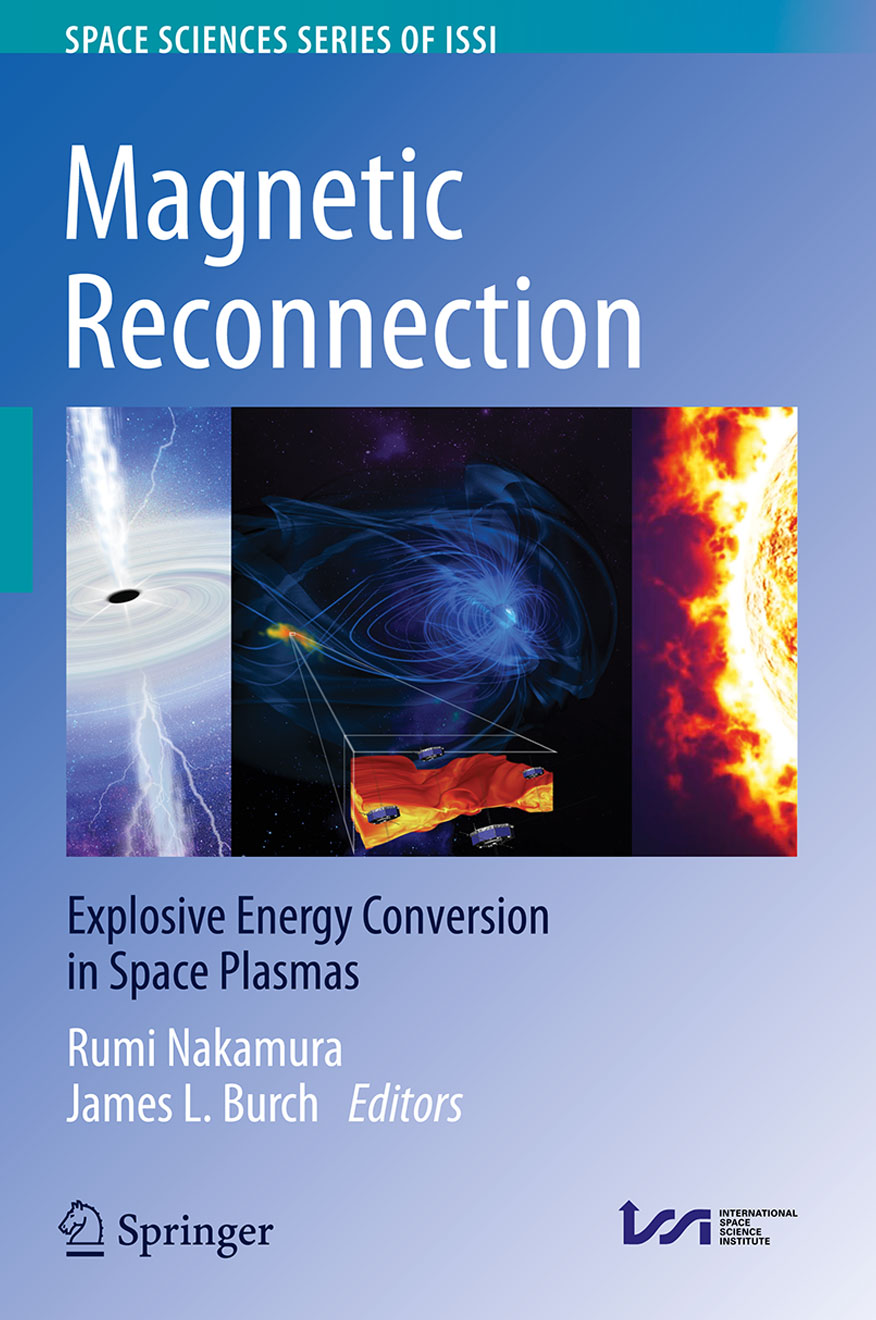
This volume presents results from the Workshop "Magnetic Reconnection: Explosive Energy Conversion in Space Plasmas", held 27 June–1 July 2022, which aims to review progress in research of magnetic reconnection and relevant processes in space plasma, based on recent in-situ multipoint observations and theoretical simulations, and to discuss its astrophysical context.
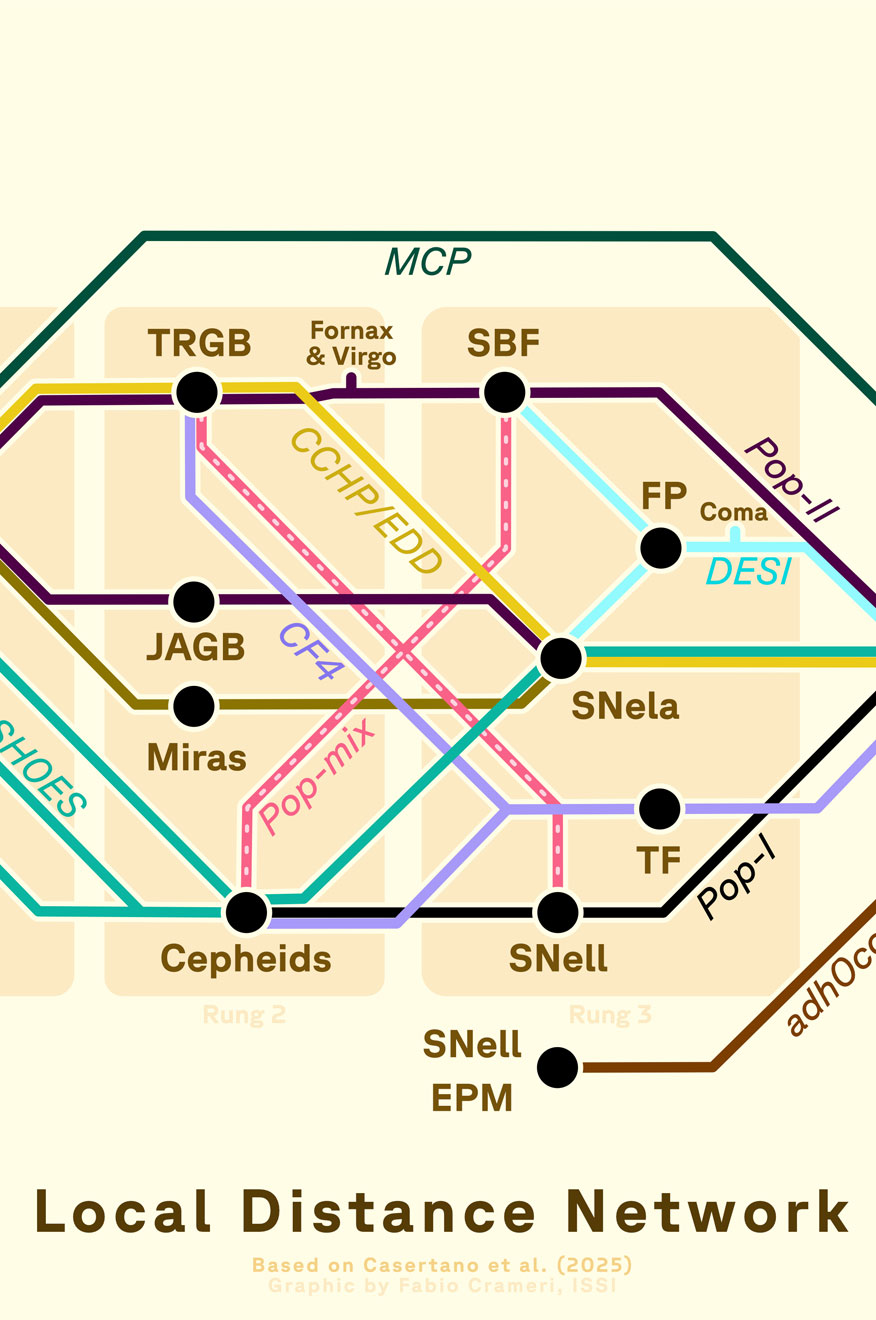
The direct empirical determination of the local value of the Hubble constant (H0) has markedly advanced thanks to improved instrumentation, measurement techniques, and distance estimators. However, combining determinations from different estimators is nontrivial due to their correlated calibrations and different analysis methodologies.
Aims. Using covariance weighting and leveraging community expertise, we have constructed a rigorous and transparent “Distance Network” to find a consensus value and uncertainty for the locally measured Hubble constant.
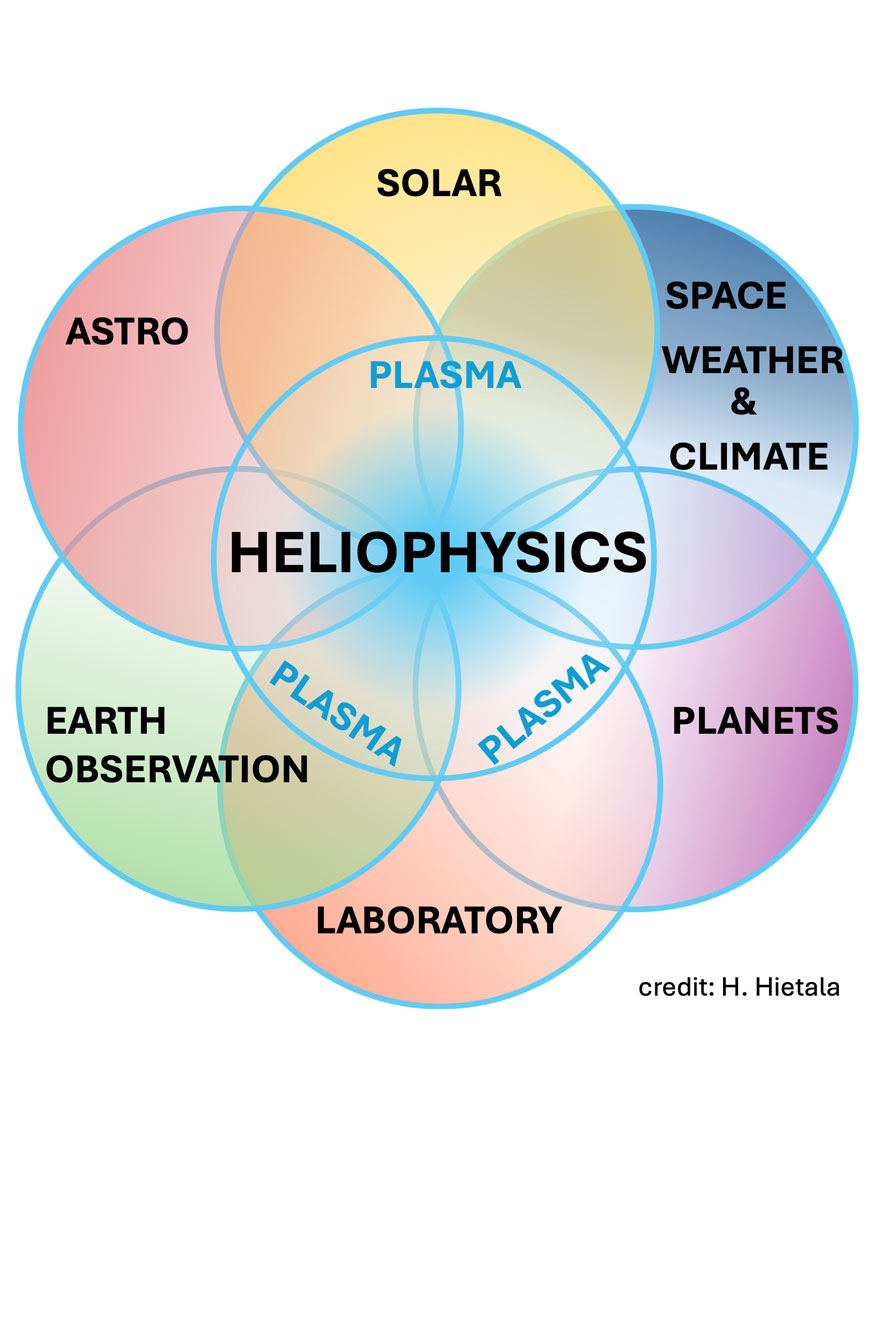
Europe hosts a large and highly active community of scientists working in the broad domain of Heliophysics. This broad discipline addresses plasmas in the regions of space and atmosphere influenced by the Sun and solar wind. However, this community has historically been fragmented, both geographically and thematically, which has limited the potential for strategic coordination, collaboration, and growth. This has recently prompted a grass-roots community-building effort to foster communication and interactions within the European Heliophysics Community (EHC). This white paper outlines the motivation, priorities, and initial steps towards establishing the EHC, and presents a vision for the future of Heliophysics in Europe. As a crucial first step of this endeavour, a dedicated EHC website is now available: https://www.heliophysics.eu/ (last access: November 2025).

As climate change intensifies, adaptation is essential. This Perspective explores how space-based Earth Observation (EO) data can support tracking progress under the Paris Agreement's Global Goal on Adaptation. Focusing on agriculture, biodiversity, extreme events, and health, it highlights EO’s strengths and challenges. The paper offers recommendations for integrating EO in indicator development, drawing parallels with the Sustainable Development Goals and emphasising the need for standardised, operational EO-based adaptation indicators.
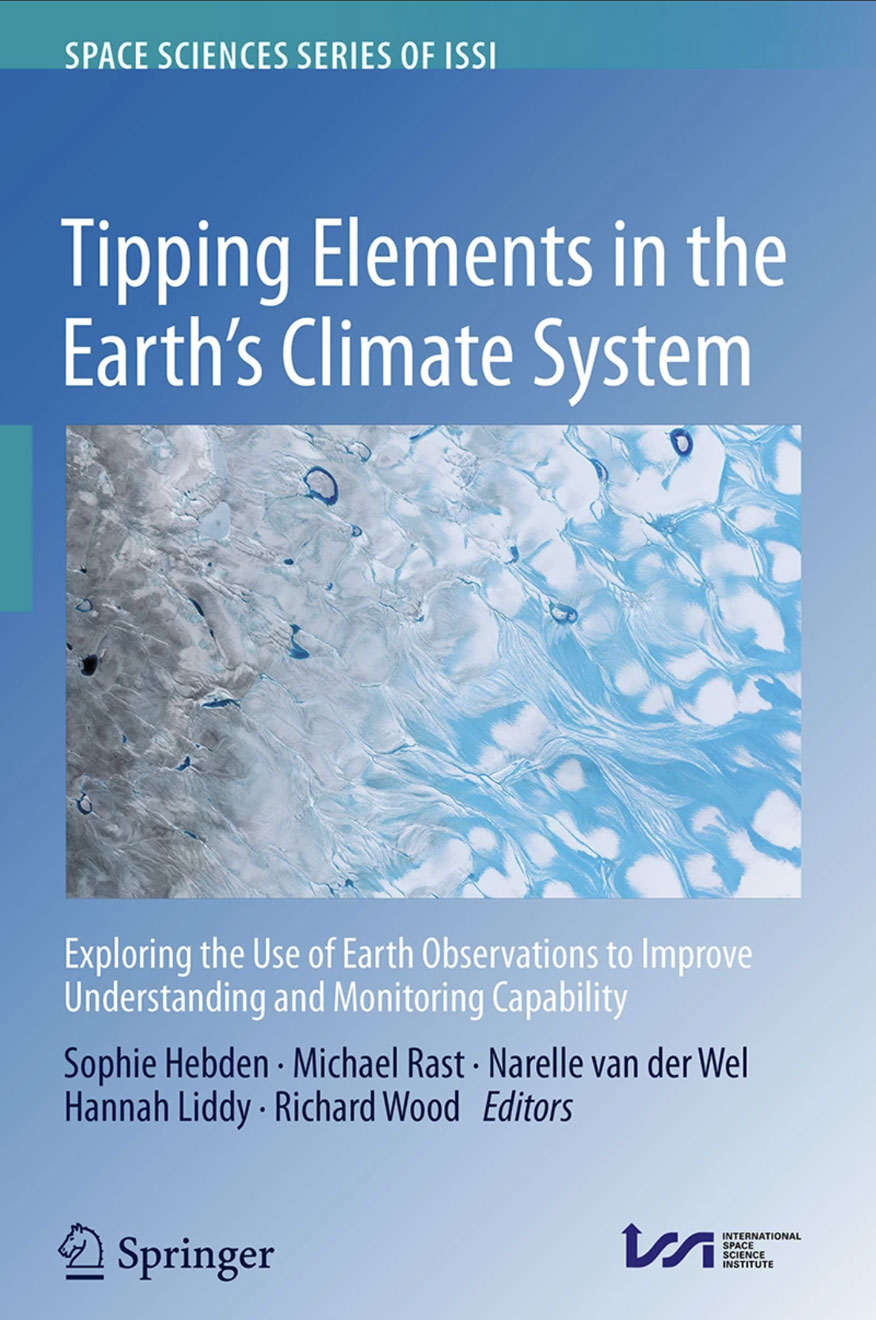
This volume addresses the growing scientific concern surrounding climate tipping points—abrupt and potentially irreversible shifts in the Earth system that may occur even under moderate global warming. It explores key examples, including the melting of the Greenland and West Antarctic ice sheets, disruption of the Atlantic Meridional Overturning Circulation, and greenhouse gas release from thawing permafrost. Over the past three decades, Earth observation satellites have become vital for detecting and tracking such changes by measuring essential climate variables. The volume presents current perspectives on how satellite data can advance the science of tipping points and support efforts to assess and manage associated risks.
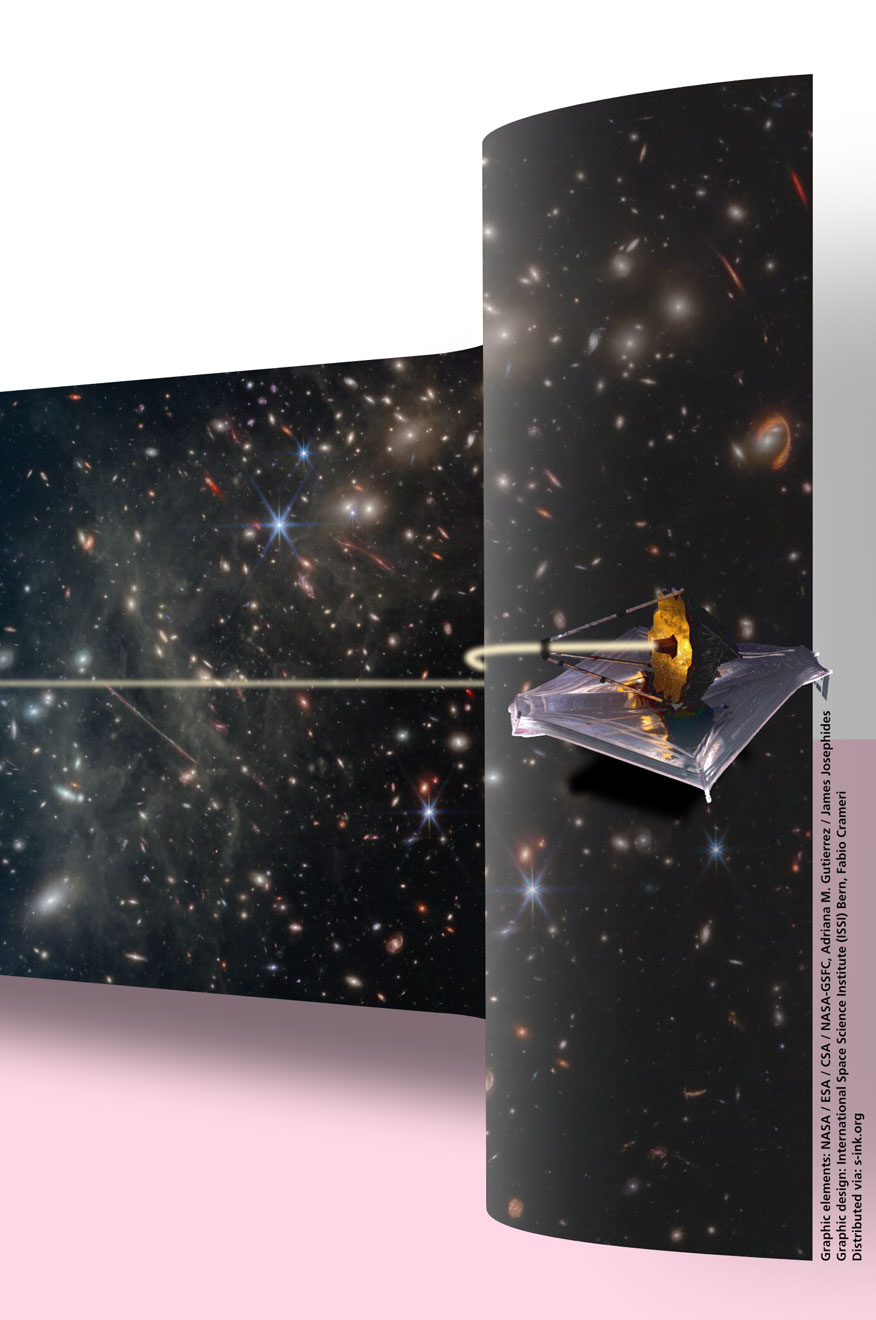
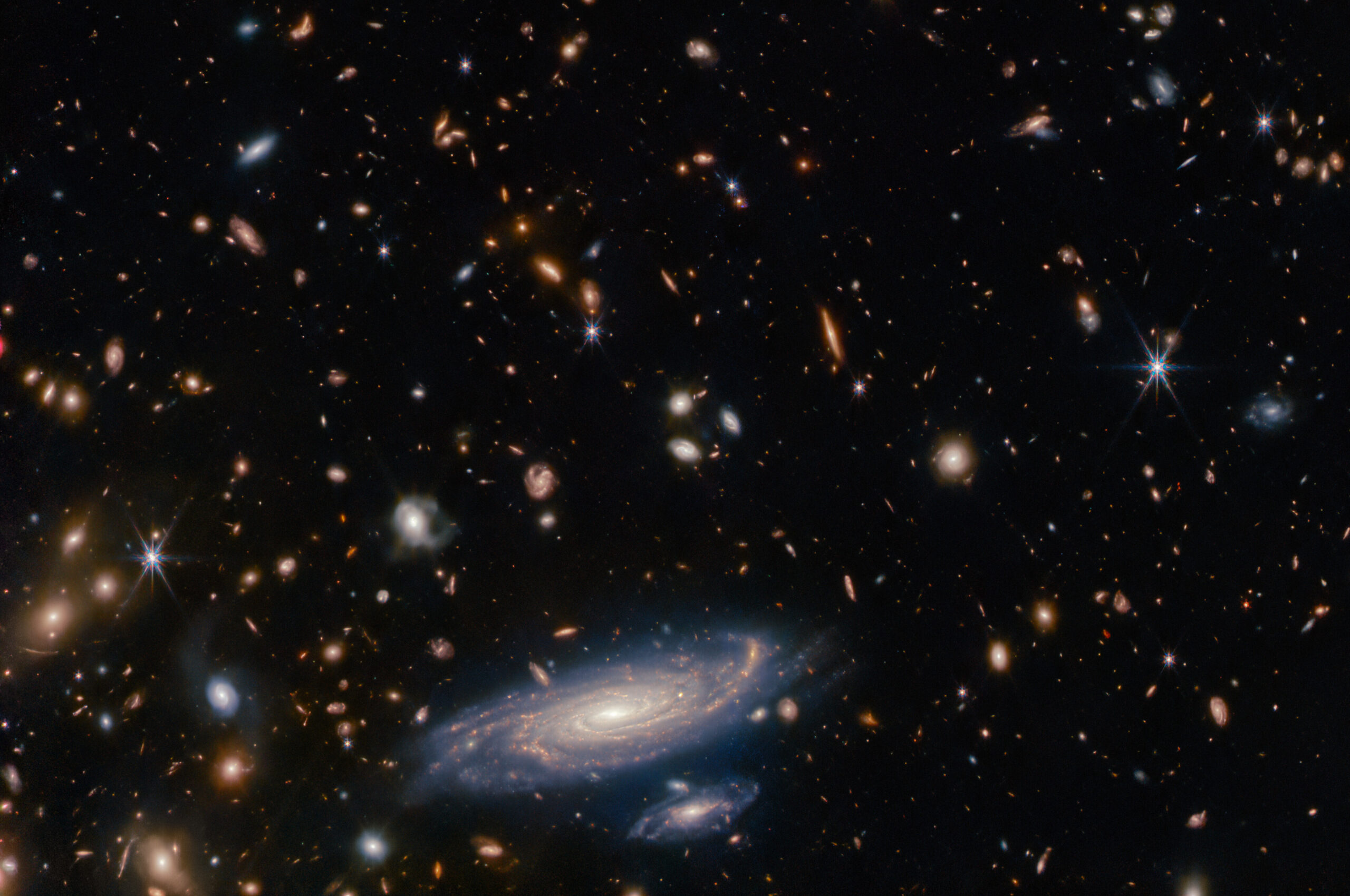
With stunning clarity, the JWST has revealed the Universe’s first billion years. The scientific community is analysing a wealth of JWST imaging and spectroscopic data from that era, and is in the process of rewriting the astronomy textbooks. Here, as a result of the 2024 ISSI Breakthrough Workshop, we provide a snapshot of the great progress made towards understanding the initial chapters of our cosmic history 1.5 years into the JWST science mission.