




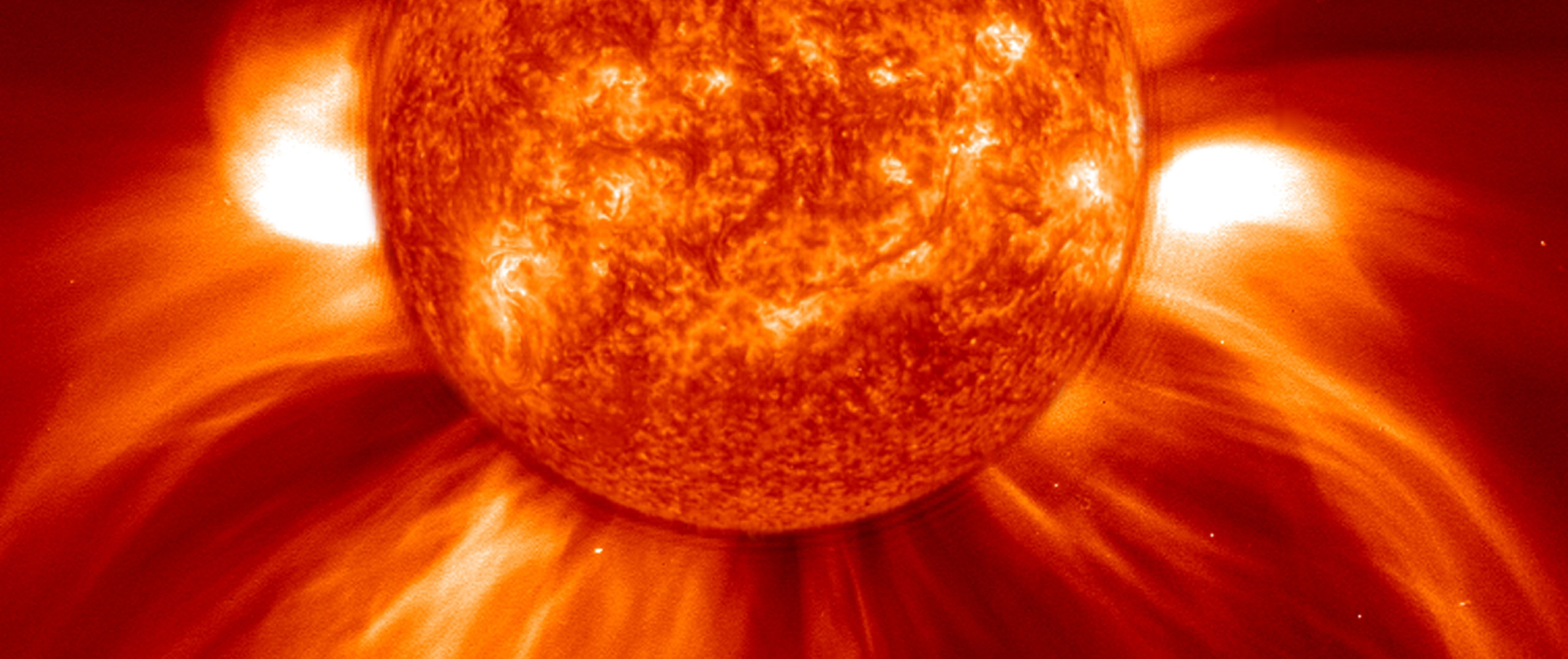
Analyses of extreme solar storms are of particular importance for solar physics and the mitigation of space-weather hazards. In the observational history, the Carrington event of 1859 is regarded as a benchmark, not only in terms of its magnitude but also in terms of its significance within their history. Despite the qualitative significance, it has been proven challenging to quantify this extreme solar storm, as it occurred almost a century before the onset of the space age and thus has challenged quantitative magnitude assessments for a long time. However, recent archival (and proxy) investigations have allowed us to access contemporary analogue measurements thereby enabling a reassessment and revision of the magnitudes of the solar flare, transit time of the perturbations in the solar wind, solar particle storm, geomagnetic storm, and equatorward extension of the auroral oval. This presentation will provide a comprehensive review of their recent magnitude reassessments and contextualise the Carrington storm within the broader framework of extreme solar-terrestrial storms throughout history.
Hisashi Hayakawa earned his thesis PhD degree in space physics from Kyoto University and his course PhD degree in history from Osaka University. He has been working in Nagoya University since 2020 as a designated assitant professor and since 2025 as an assitant professor. He has been a visiting researcher of the Rurtherford Appleton Laboratory since 2018. His research focuses on surveys, reconstructions, and quantifications on extreme solar storms, long-term solar activity, solar coronal variability, solar radiys, and variable Earth’s rotation speed on the basis of historical archival records.