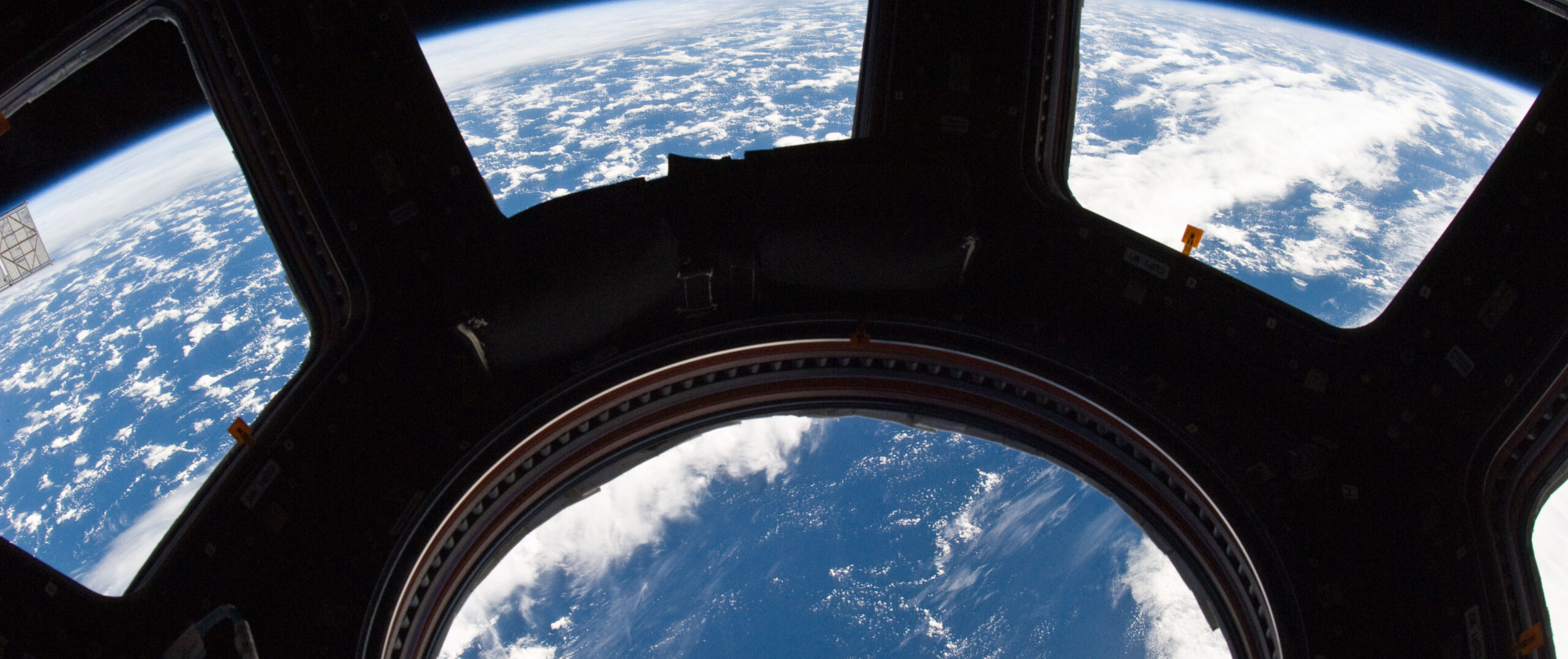
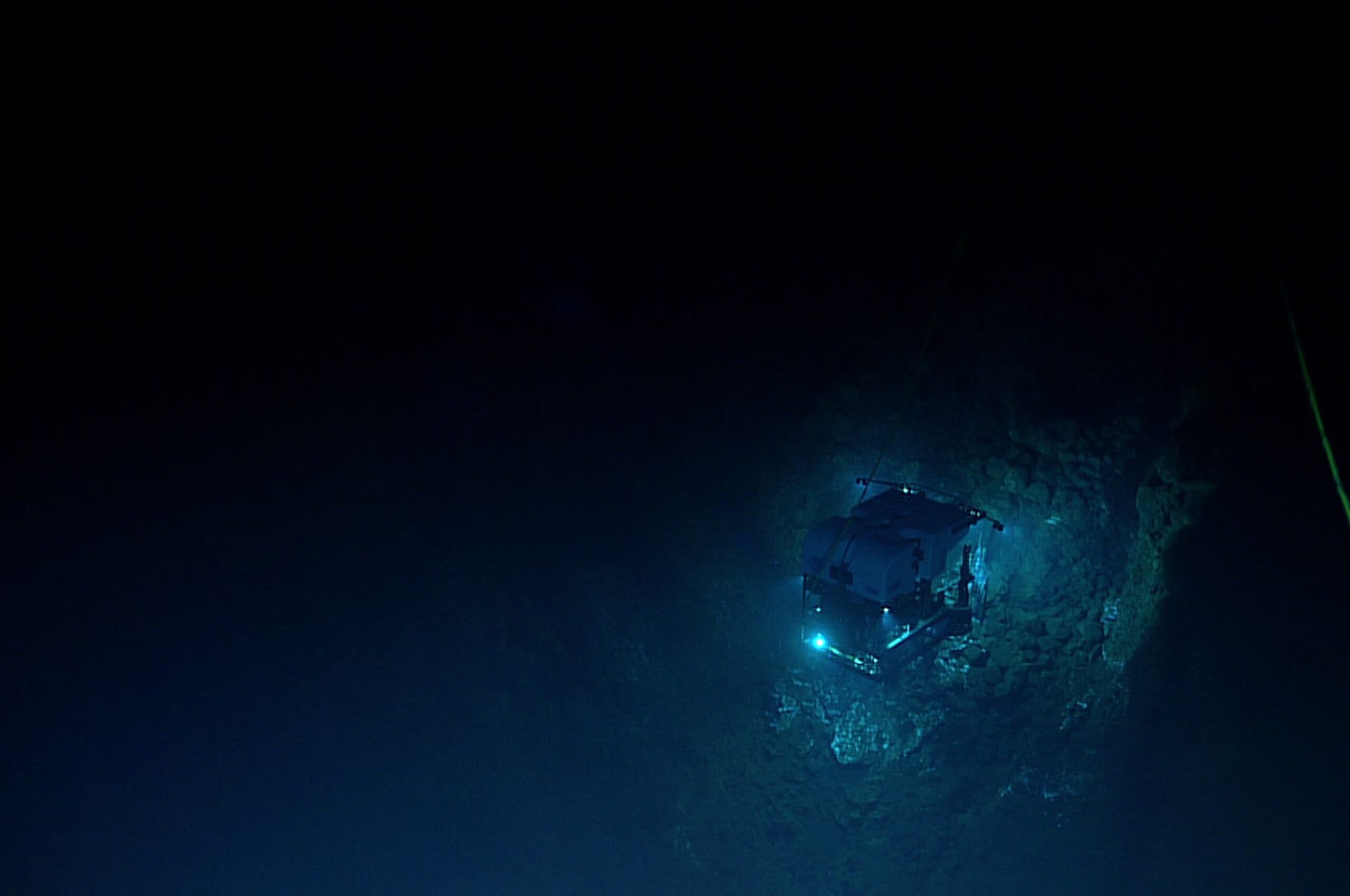
Ask any scientist about the moment a concept finally “clicked”, when scattered facts suddenly locked into a single, coherent picture, and you will often hear an echo of the very same story.
We see it, again and again, in the workshops held here at ISSI, when researchers from different corners of a field are given a week together in the same room. At a Breakthrough Workshop on The First Billion Years, astronomers spent five days trading JWST spectra of the earliest galaxies ever observed, until separate puzzles (the nature of the first stars, the role of black holes, the surprising order emerging out of cosmic chaos) began to resolve into one shared chronology of how the early Universe grew up. At another, on Life beyond Earth, astronomers, chemists, and biologists sat together until their separate questions (what makes a planet habitable, what a biosignature even means) merged into a sharper, shared picture of where to look for life beyond our Solar System. In a workshop on Earth Observations for Climate Adaptation, scientists watched scattered satellite measurements of drought, flood, and fire connect into a single map of who on this planet is most exposed to a changing climate, and why. And after a workshop spent wrestling the Hubble constant down to a single, hard-won number, cosmologists are already looking ahead to a follow-up gathering in October 2027, on Relaxing the Hubble Tension with New Physics, proof that not every overview arrives at once. Sometimes it takes more than one workshop, more than one week, more than one hard look together, before the whole comes into focus.
This, too, is an overview. Not gained by leaving the planet, and not by descending into the ocean, but by climbing, patiently and often painfully, out of confusion and into understanding. Call it the Inner-view effect: the awe of finally seeing the shape of the whole, built not from altitude or depth, but from curiosity, evidence, collaboration, and years of careful, dogged work.
It rarely comes all at once. It comes from thousands of small steps: a measurement taken with a new device, a paper read, a hypothesis discarded, a question asked one more time than seemed reasonable – often by the newest, least senior person in the room, brave enough to ask it anyway, and truly listened to by everyone else. It comes from a colleague from another discipline, another country, another generation, seeing the same data and noticing something entirely different. And then, suddenly, a whole system snaps into focus that was invisible before.
The excitement scientists feel in that moment is not so different from an astronaut’s first glimpse of the Earth from orbit, or an aquanaut’s first weeks down at the quiet seafloor. It is the same emotion, wearing different clothes: awe at discovering that everything is connected, and that we finally understand a little more of how.