The workshop centres on a critical and timely question: how can the vast wealth of space-based Earth observations be made genuinely usable for climate adaptation—not only at the global scale, but also for the local communities that are already feeling the acute impacts of climate change?
While satellite EO has become indispensable for documenting global trends (just think sea-level rise, changing precipitation patterns, land-use shifts, and more) turning these global datasets into actionable, locally relevant information remains far from straightforward. The workshop summary highlights several persistent obstacles: ensuring data consistency across sensors, translating global indicators into local contexts, and navigating the many layers of “Open Science” beyond mere data access. These issues become even more urgent in vulnerable or poorly observed regions, where limitations in usability can produce forms of epistemic injustice: situations where communities most exposed to climate impacts have the least capacity to use the very data meant to support them.
A central aim of the workshop is therefore to examine EO systems from the user’s point of view. What breaks when global datasets are applied at local scales? What practical hurdles arise when trying to use open EO for decision-making, adaptation planning, or evidencing climate-related Loss & Damage? And how can these obstacles be reduced or removed?
One promising direction discussed is the development of quantitative frameworks that link global and local scales, such as causal networks that map relationships between climate variables. These tools can help bridge the gap between satellite-based global diagnostics and the kinds of fine-scale information needed by local planners, risk assessors, or community organisations.
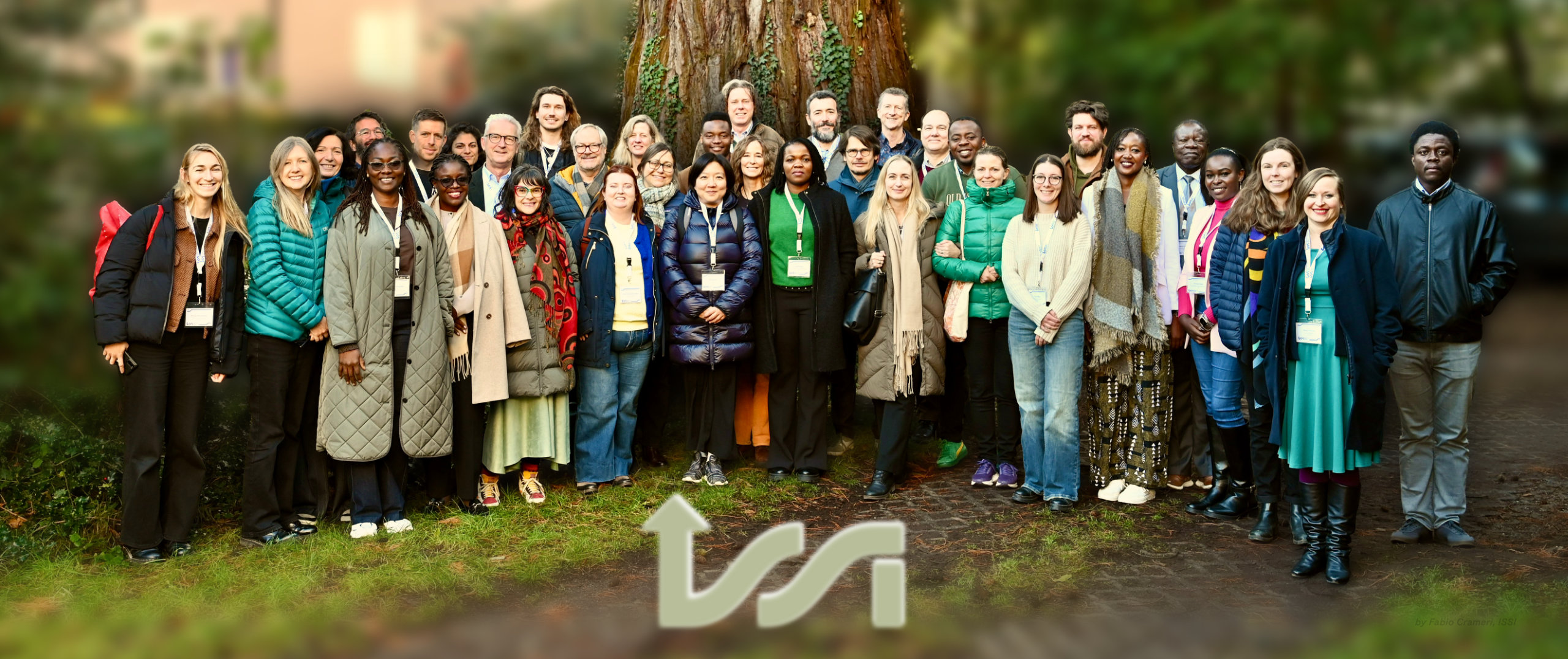
What sets this ISSI Workshop apart is its deliberate interdisciplinarity. Sessions move fluidly between technical EO topics, discussions of data ethics, and hands-on examples from practitioners working directly with communities. The group’s diversity—spanning continents, scientific traditions, and academic seniority—creates a lively environment for cross-fertilisation of ideas. Participants are not only sharing the latest methods but also comparing lived experiences of working with EO in very different cultural and infrastructural settings.
As the workshop continues, one theme is already clear: “opening up” Earth observations for climate adaptation requires far more than releasing datasets online. It demands attention to usability, context, trust, local knowledge, and new approaches for connecting global information to local realities. By bringing together such a wide spectrum of expertise, ISSI is helping to chart a path toward an EO ecosystem that truly supports Open Science—for scientists, for society, and for global equity.